
Wire, cloth, sun — the making of the Lightshade
A wire frame, a shweshwe cover, a cork, the SOMO on top: that is how a bottle becomes a table lamp. Six months from the idea to the finished Lightshade — and what we learned on the way.
The question we ask of every product
At Sonnenglas® we ask the same thing of every product: how do we make something that does good for everyone? For the planet. For the people who make it. And for you.
The Lightshade is our latest answer. It is a lampshade that sits on almost any bottle. On top sits the SOMO, our solar light. By day it charges in the sun, by night it shines through the cloth. SOMO, Lightshade, a bottle — and you have a solar-powered table lamp.
What looks simple in the end was a journey of six months, from the idea to the finished product. And as so often, the things that look simple are the ones with the most love for detail in them.
Where Sonnenglas began: bent wire
Sonnenglas has always been connected to the art of wire bending. On the first Sonnenglas jars, the wire was bent entirely by hand. We wanted to take that craft further.
The idea for the Lightshade came from a very practical wish: to find work for the many wire artists here. We always look for products that grow the skills of people in Africa. Craft, technical understanding — and new things our team in the factory can learn.
A lampshade fits. Its frame can be bent entirely by hand, and it demands a lot of precision. That is exactly what we wanted.
A gap
At the same time we noticed something. Rechargeable table lamps in the shape of a classic lampshade were popular. Most of them were rechargeable plastic lamps, and we found them awful. So we took up the concept to make something crafted and traditional out of it: the modern lampshade, solar powered.
But we already had the SOMO: a solar light that fits the Sun Jar, the Light Carafe and the Adventure Mount. So we asked ourselves what we could build around the SOMO. Something that lasts, that you can change, and that belongs to the Solar System. Along the way we realised: the Lightshade meets all our goals at once.
Prototypes on the table
At the start, two ideas competed. In one, the SOMO sits on top of the shade. In the other, it is recessed into it.
We thought the recessed version would look nicer. It did. But the SOMO was hard to take out again, and the wire frame became much more complicated.
The version with the SOMO on top came with a surprise: the cloth forms a soft rim at the top, and the SOMO snaps into it. It holds itself in place. It feels very nice. We went with it.
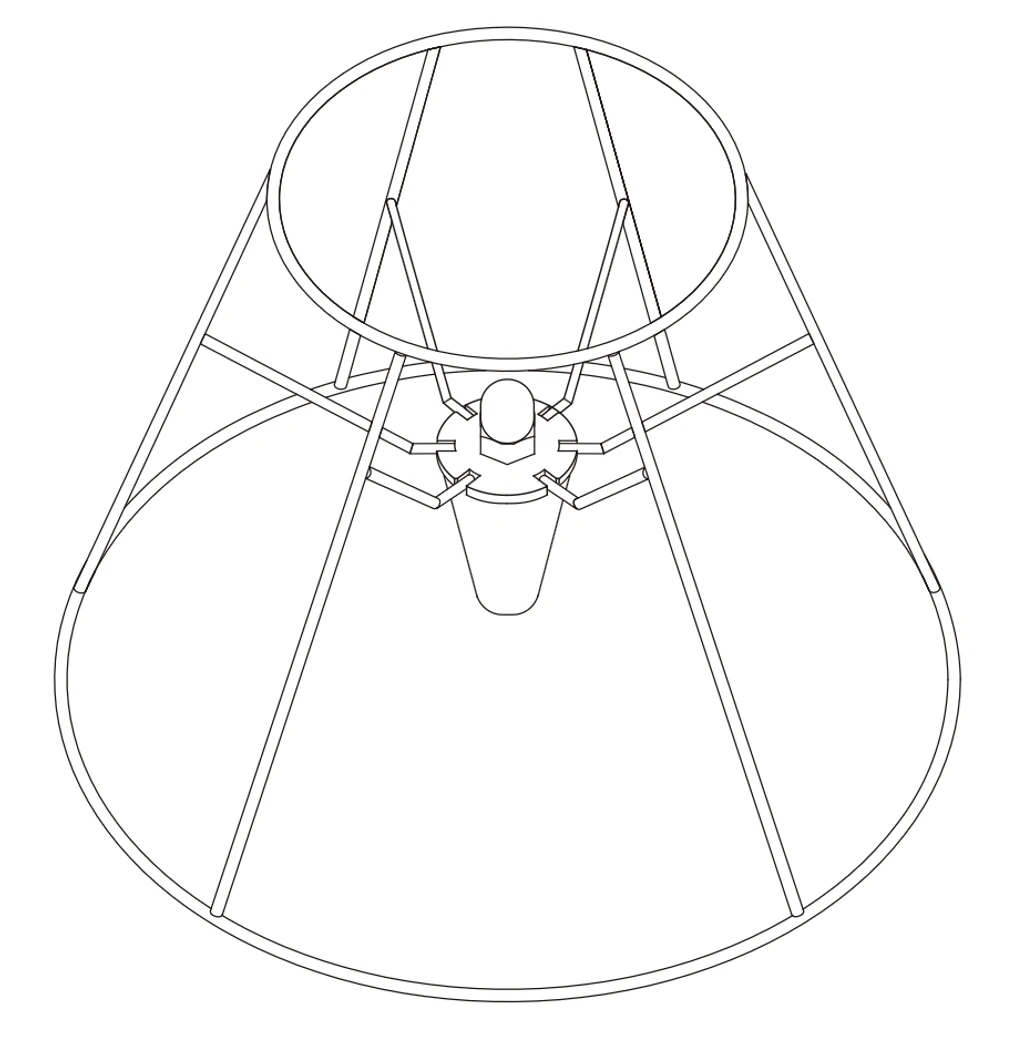
Then the struts. We tested five and six. With six the shade looks rounder, so it became six. We tested the wire too, until the gauge was right.
For the cloth, shweshwe convinced us straight away. It lets through just the right amount of light. We need no paper lining like many lampshades have: our light does not shine upwards from below like a bulb, and a lining would only reflect too much light. What worked best was a cover with an elastic band. That way you can change it yourself, easily.
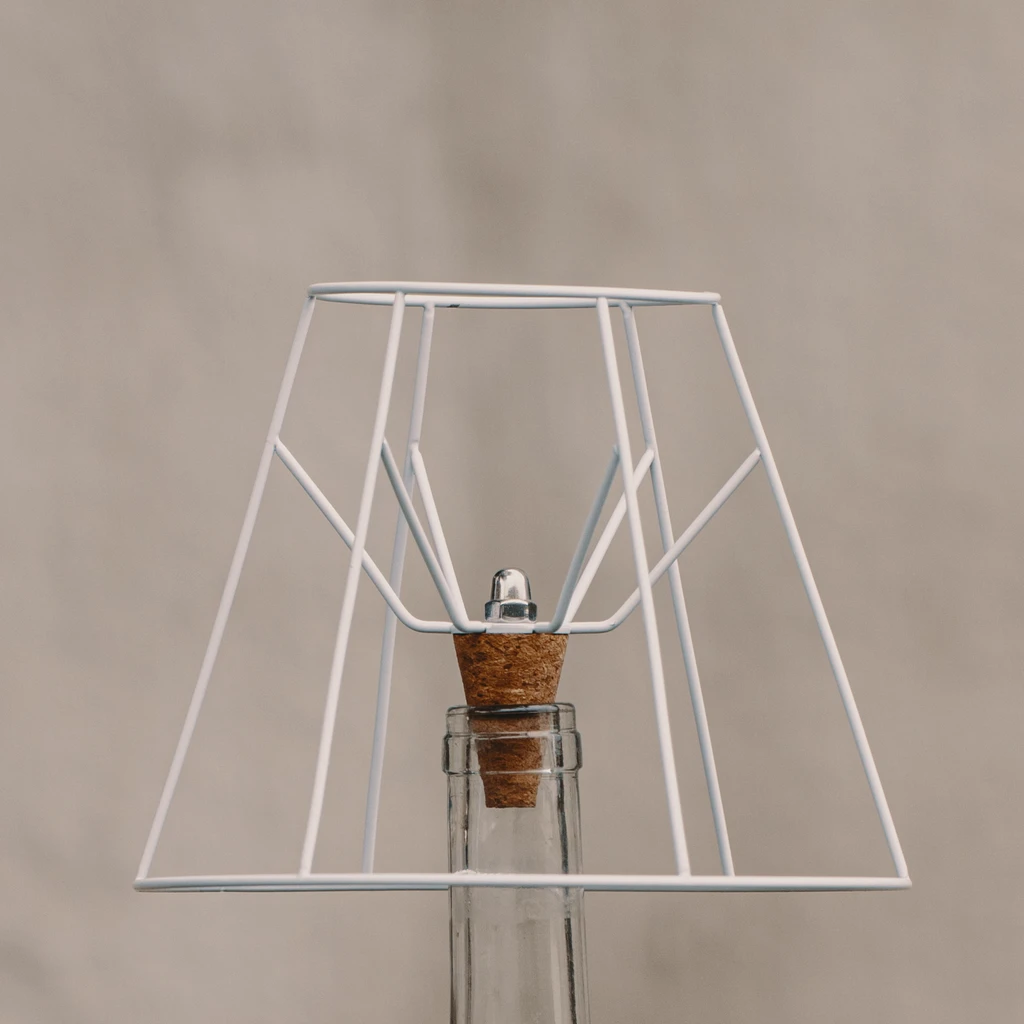
The bottle stopper should not stick out below the shade, and it should unscrew. Today it is a cork. Behind it sits a standard thread, so you can mount the Lightshade in other ways too.
Learning to weld
The frame is stainless-steel wire. We bend it by hand, and we weld it entirely by hand. Then it is powder-coated. That idea came with the prototypes: in white, the struts show less.
For this we invested in two welding machines and trained a team from our factory to weld. It takes a lot of precision and practice before you weld as accurately as this product demands.
Shweshwe, laser-cut and sewn
For the Swapcovers we work with traditional shweshwe from South Africa, the country's printed cotton. It comes from Da Gama Textiles, the last remaining maker of original shweshwe in South Africa.
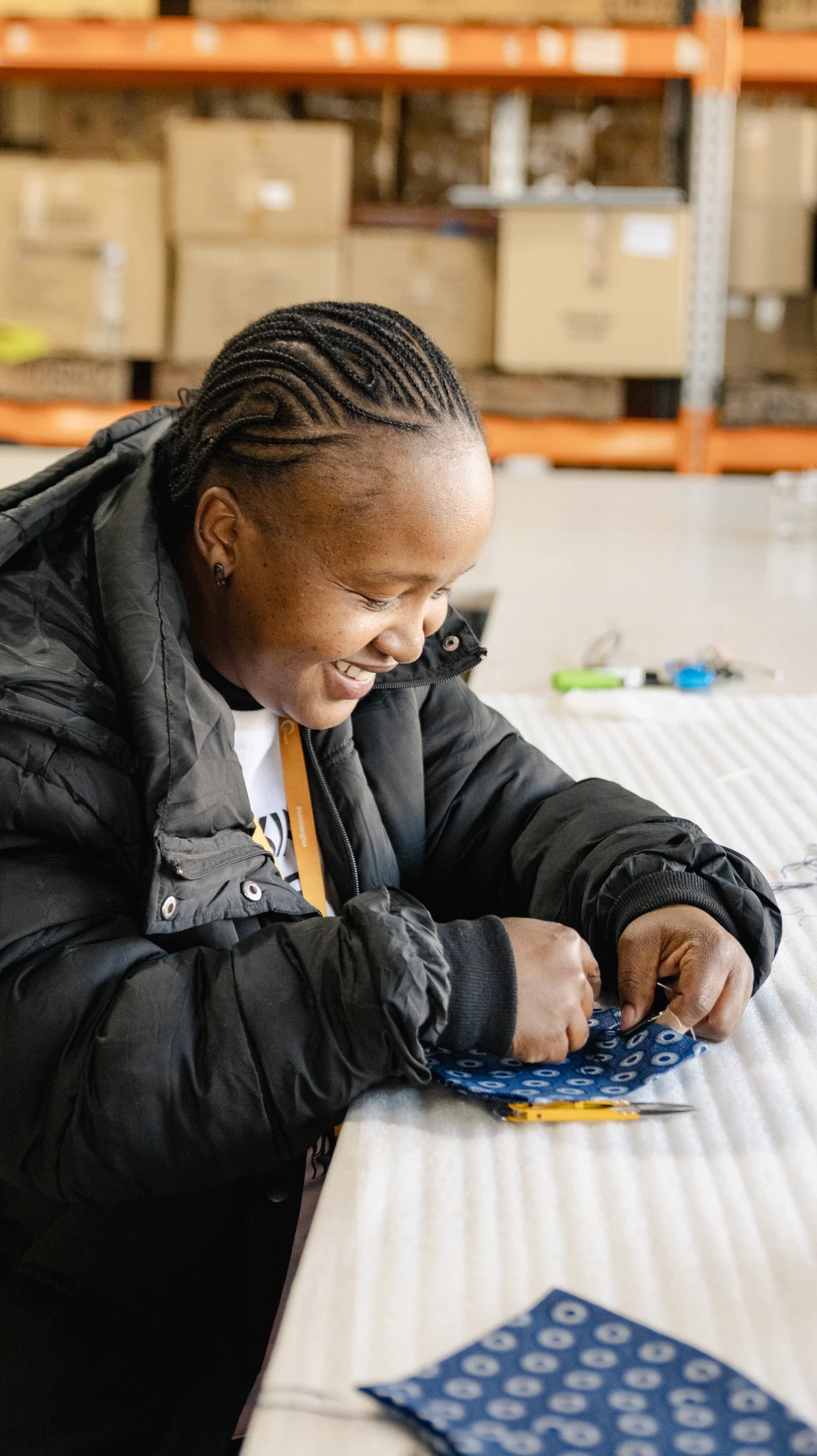
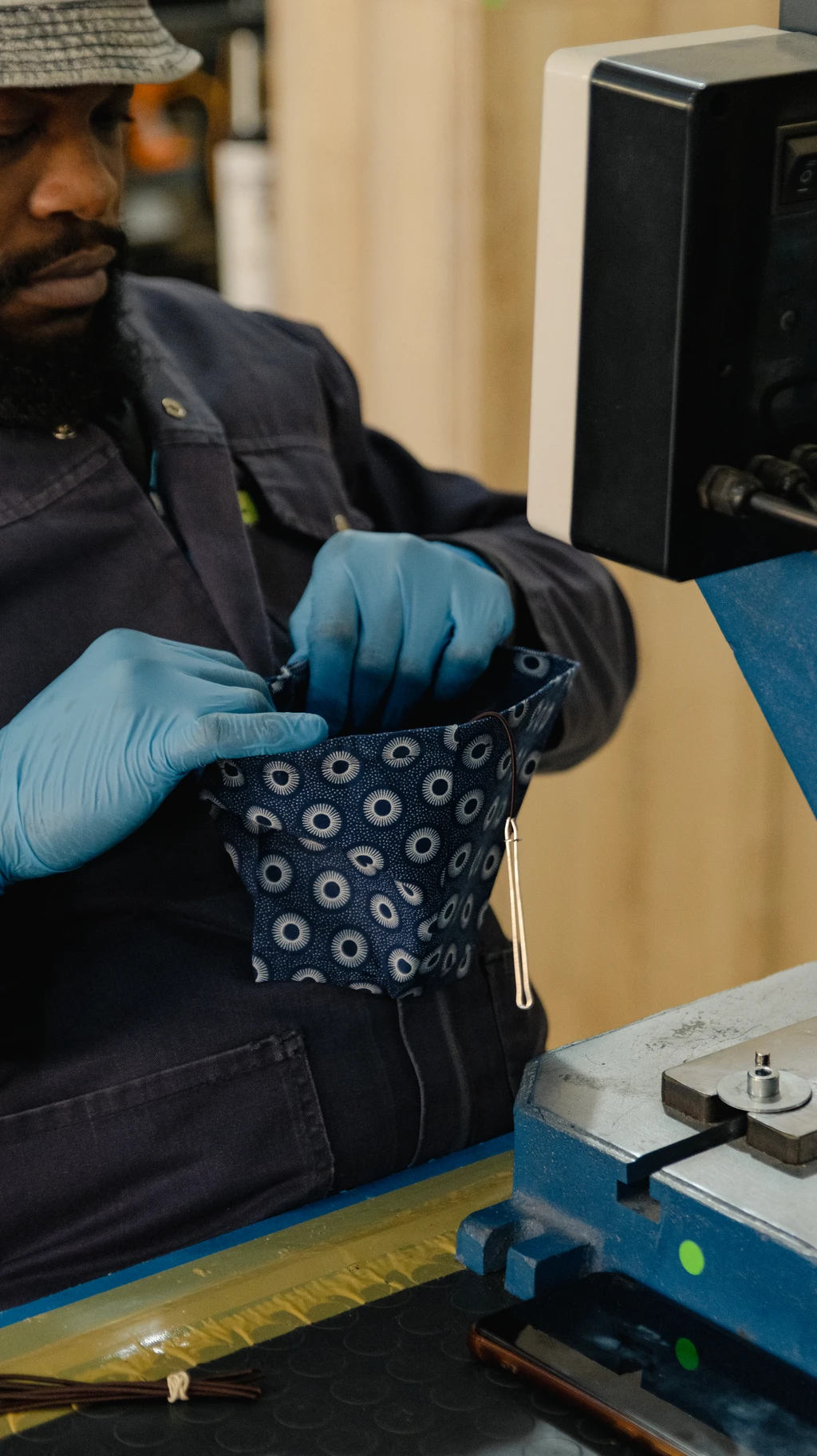
In our factory in Johannesburg we cut the fabric with a laser cutter we bought for exactly this. Then comes the sewing. We invested in sewing machines for that too, and we teach colleagues to sew: craft, skill, accuracy.
The small parts
The Sonnenglas magnet switch is part of the Lightshade too. With the prototypes we had two ideas: a very short switch that always rests on the SOMO, or a longer one that hangs free. One thing was clear from the start: it should be visible, a design element of its own, in a different material from the shade.
We found a way to build it into the cover: you flip the bracket, the light comes on, and the SOMO's day/night sensor is active.
The switch is set in a piece of leather that we attach by hand, with fine work. Only, we did not want to use real leather. What we found is a leather made from cactus, in collaboration with a company in Italy. It looks deceptively real and has the same properties as leather. With the Sonnenglas logo on it, it simply looks beautiful. To get the logo in, we bought a machine that presses it into the material.
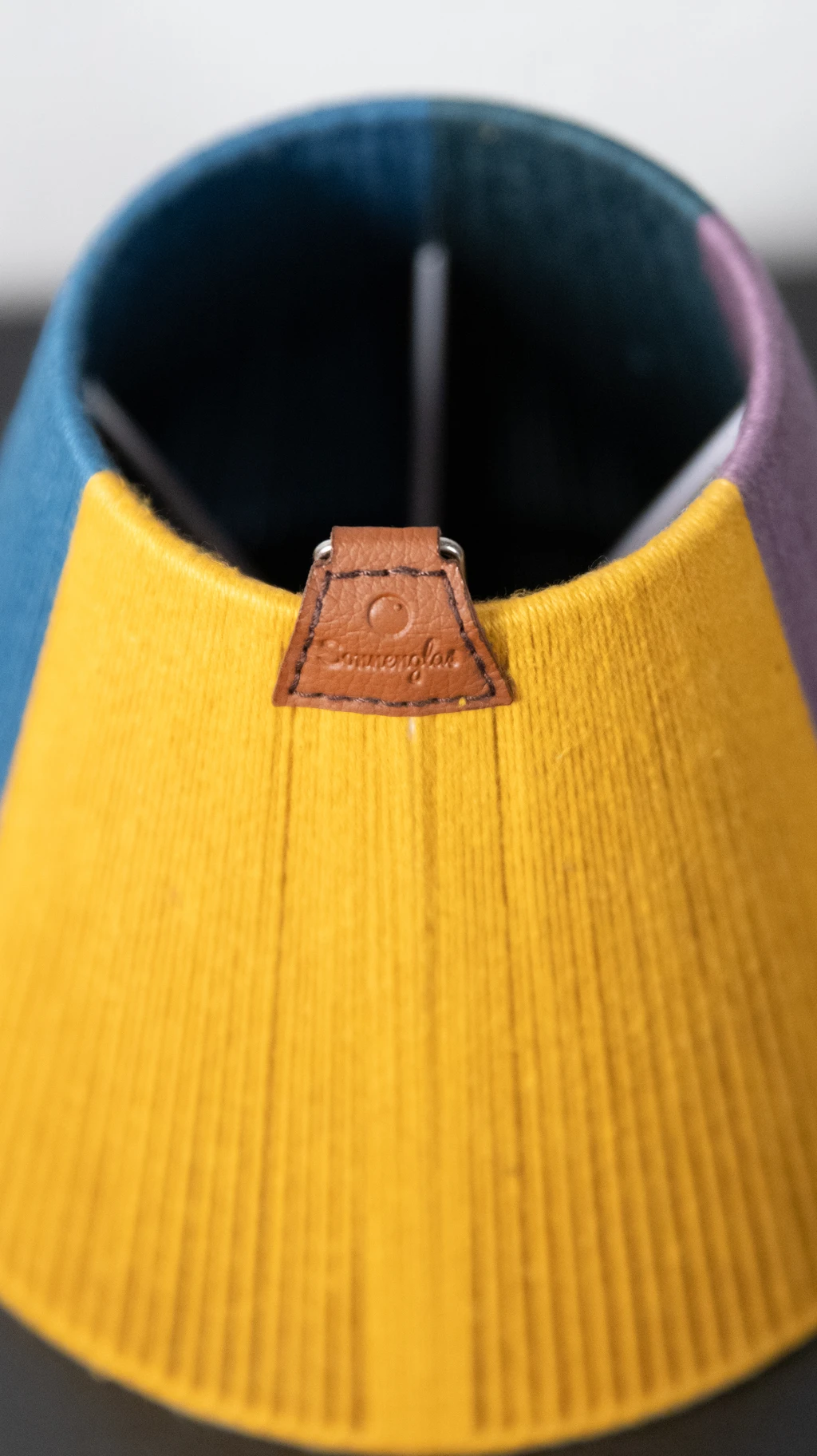
At the bottom of the frame sits the cork. It comes from our partner in Portugal and fits almost any bottle neck: wine bottle, water bottle, slender vase.
Swap or keep
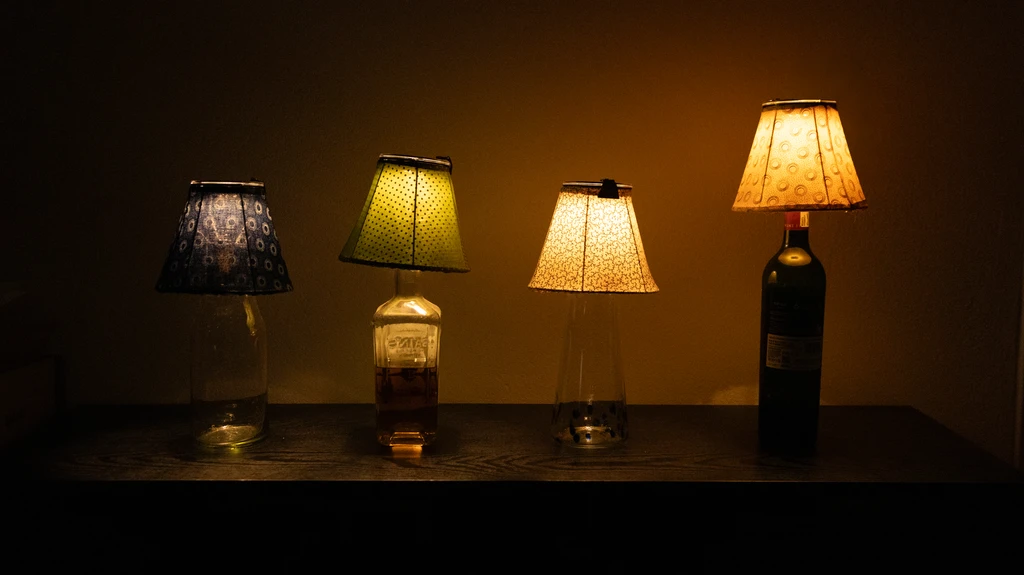
Like everything in the Solar System, the Lightshade is modular. Frame and cover are separate. The frame stays, the look can change. You pull the Swapcover over the frame — for the season, the room, the mood. Extra Swapcovers are sold separately.
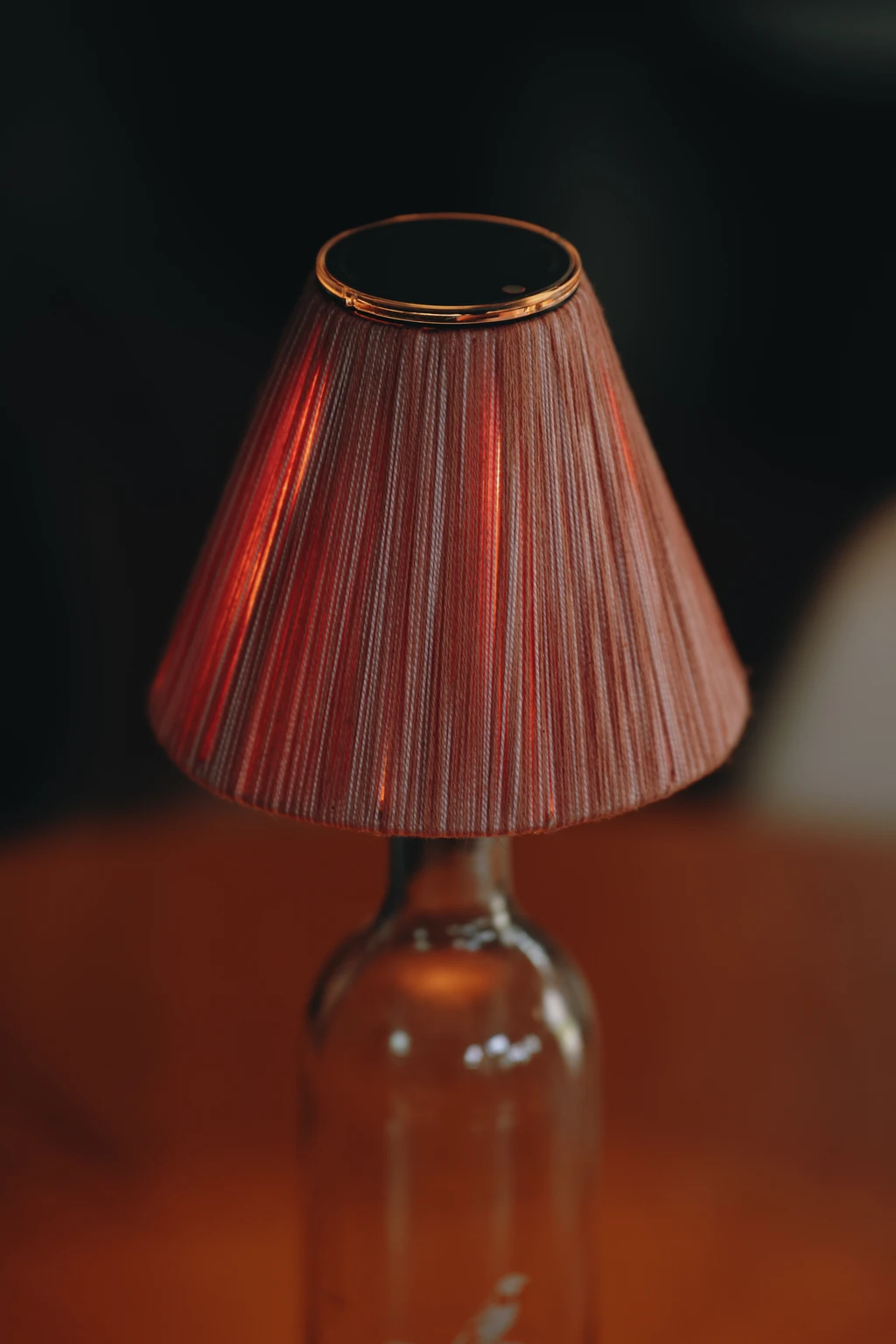
And then there is the Unwoven Collection, our Artisan Edition of the Lightshade. Here there is no Swapcover. Cotton yarn is wound by hand directly around the frame, band beside band, a job of several hours. Nothing to swap here. Instead every piece is one of a kind, and because it is all made by hand, the pattern can vary slightly.
What we learned
With the Lightshade our team built new skills: bending wire, precise welding, laser-cutting and sewing cloth, working and pressing leather. For a single product, that is a lot. For us, that is exactly the point.
We believe good design also has to do with how something is made — not only with how it looks or works in the end. At Sonnenglas, the design process always includes the question: how can it be made with a positive impact? That is what good design means to us.
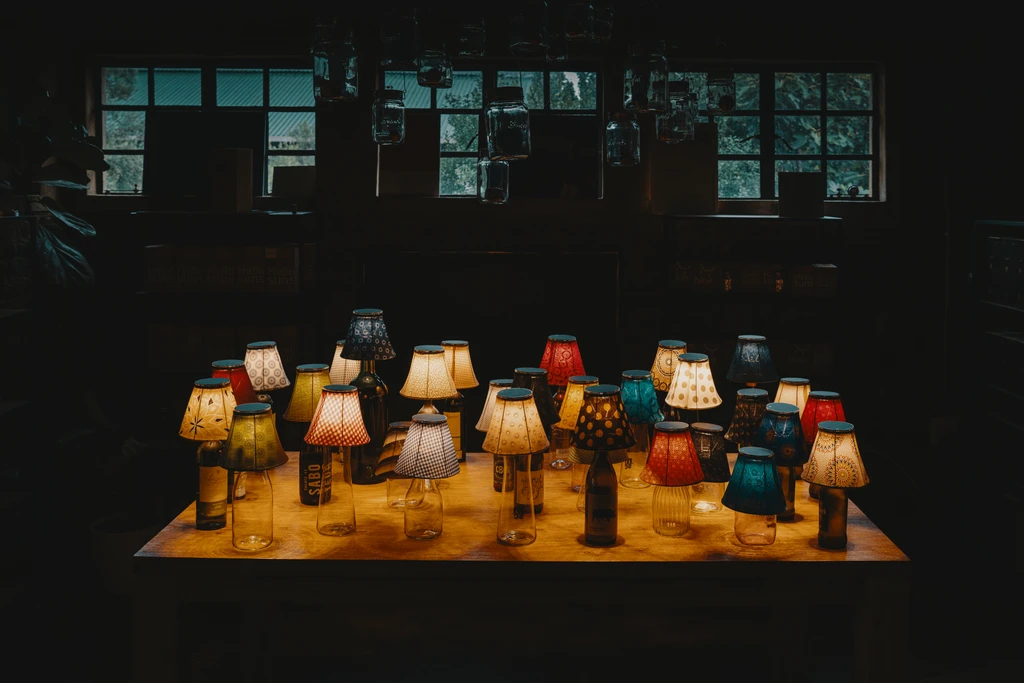
That is how a new Sonnenglas product comes about, one that makes the world a little brighter for everyone. Made by hand in our factory in Johannesburg, which runs almost entirely on solar power.
Social Impact by Design. Proudly Made in Africa.


 Deutschland
 Österreich
 Schweiz
 United States
 France
 International
 South Africa
